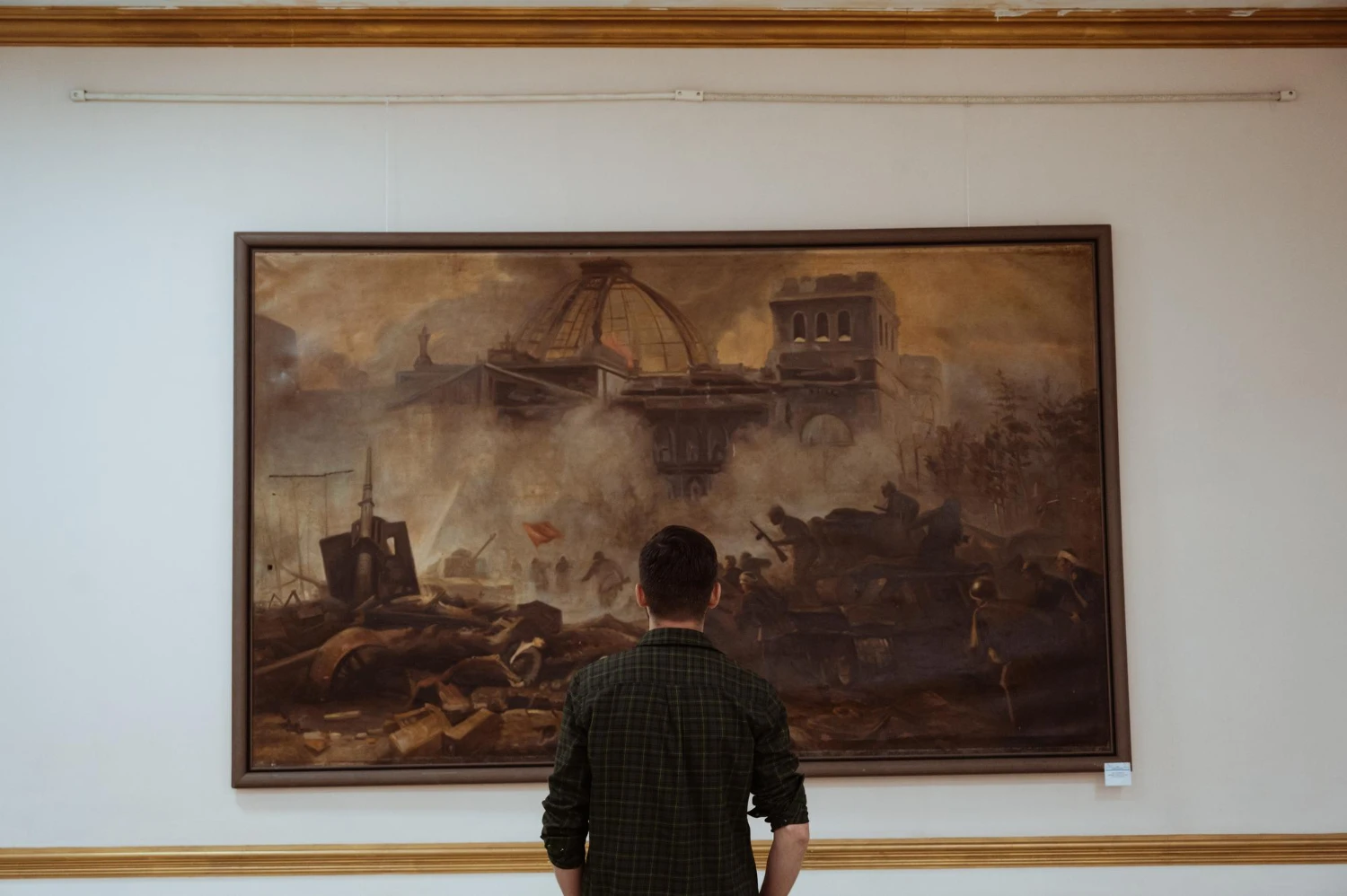
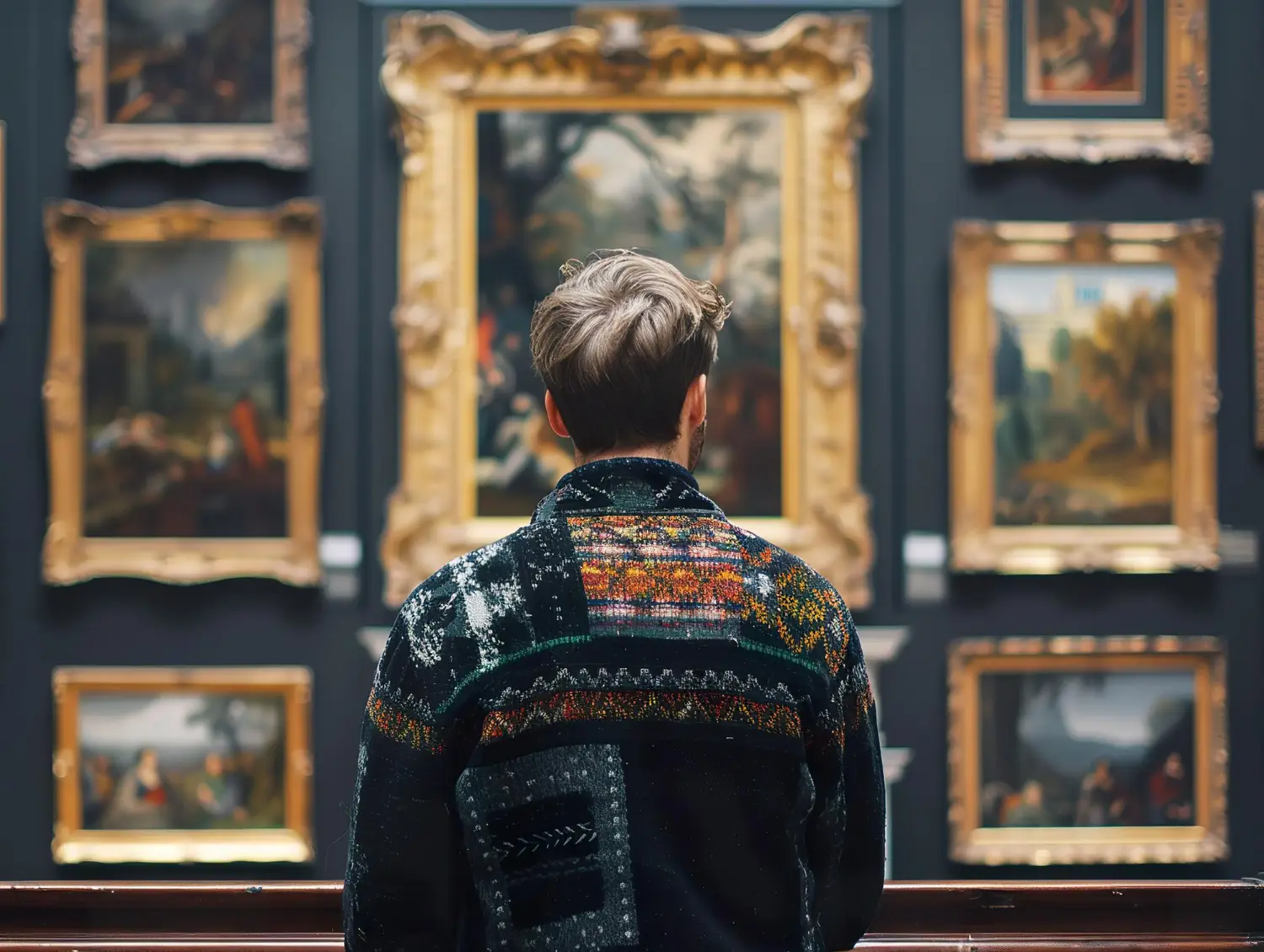
Discover the World of Dutch Masters Paintings
The Dutch Golden Age produced some of the most extraordinary portraits in the history of western art. Here, you will find the stories, the faces, and the techniques behind them.
Who Were the Dutch Masters?
The Dutch masters were painters working in the 17th century Netherlands at a time of remarkable wealth, freedom, and artistic ambition. Artists like Rembrandt, Vermeer, and Frans Hals transformed portrait painting into something deeply human.
What Makes Golden Age Art So Enduring?
Golden age art endures because it captures real people with real emotion. These were not idealized gods or distant monarchs. They were merchants, scholars, and ordinary citizens, painted with honesty and breathtaking skill.
How Renaissance Portrait Traditions Shaped the Dutch Masters
The renaissance portrait laid the groundwork for everything that followed. Dutch painters inherited its techniques and then pushed further, adding psychological depth, dramatic light, and a sense of intimacy that earlier European painting rarely achieved.
What Is Baroque Art and Why Does It Matter?
Baroque art is the movement that gave Dutch masters paintings their power. Characterized by bold contrasts of light and shadow, strong emotional expression, and richly detailed surfaces, the baroque style made portraits feel alive.
You can see it in the way Rembrandt lit a face against darkness, or in the way a Flemish baroque painting pulls your eye through layers of texture and meaning.
The baroque was not just a style. It was a philosophy about how art should move you.
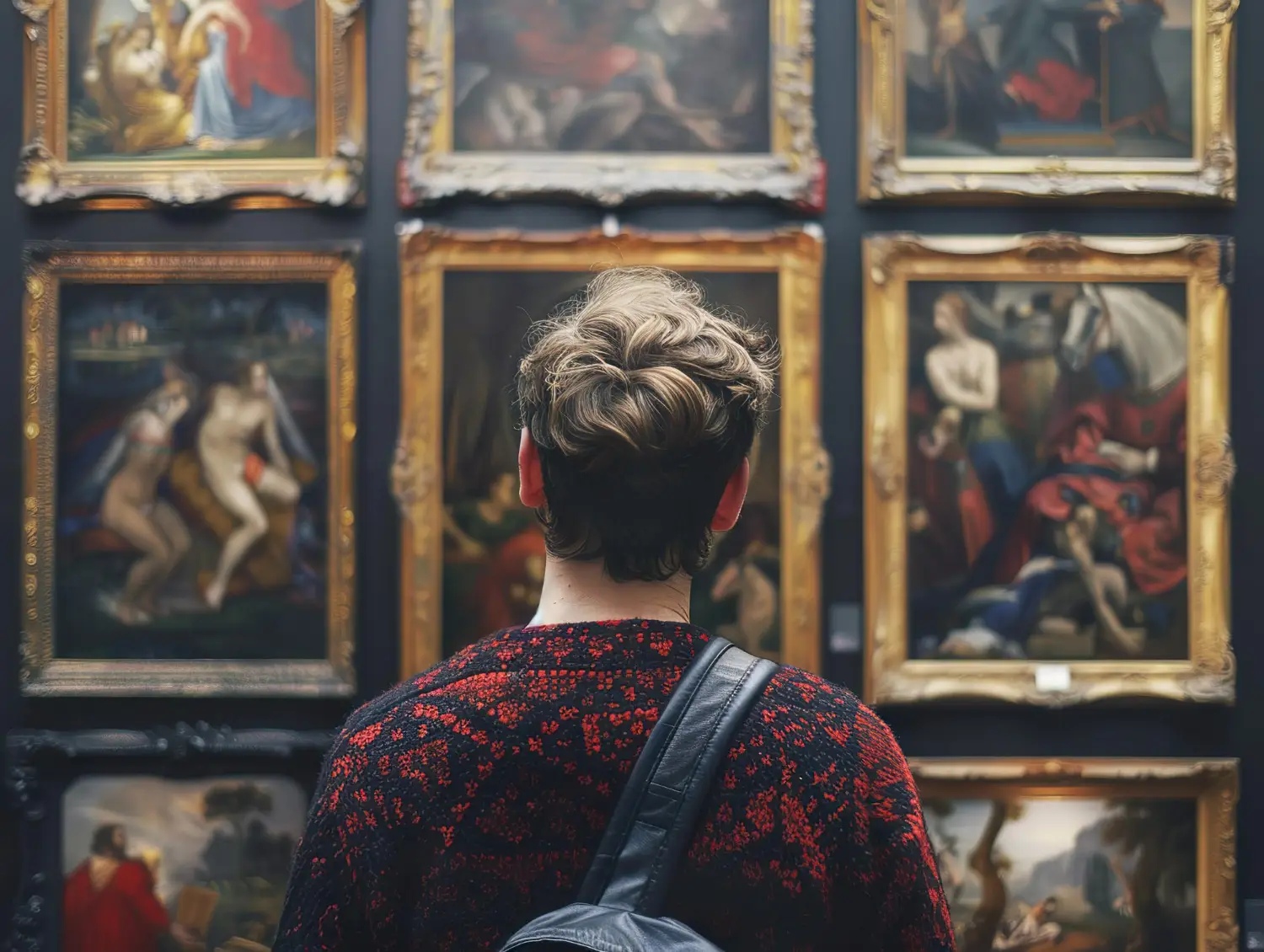
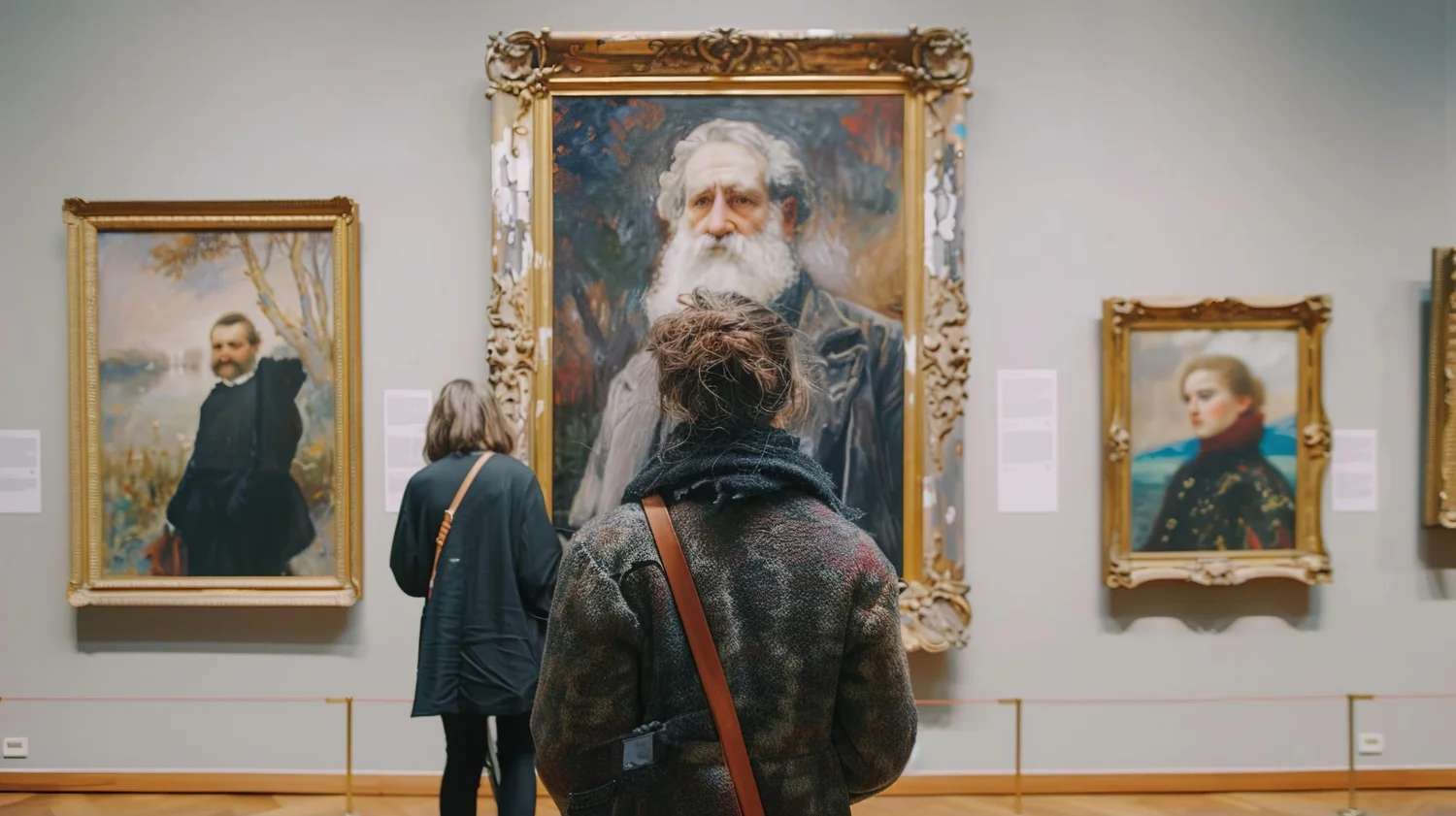
The History of Western Art Through Dutch Eyes
No survey of the history of western art is complete without the Dutch Golden Age. This was the moment when secular subjects, everyday life, and individual identity became as worthy of painting as religious scenes.
Dutch artists challenged the traditions they inherited and created new ones. Their influence flows directly into everything from 18th-century portraiture to modern photography.
Understanding their work means understanding how European culture learned to see itself.
Exploring Flemish Baroque Art and Its Connection to the North
Flemish baroque art and Dutch painting grew from the same roots but developed in different directions. Flemish masters like Rubens favored grand, theatrical compositions. Dutch painters often chose quieter, more intimate scales.
Both traditions shaped renaissance portrait conventions and pushed baroque art into new territory. Exploring both helps you understand the full range of what this extraordinary era produced.
Together, they represent one of the most concentrated periods of artistic achievement in human history. These services practical assistance https://essaypro.com/pay-for-homework ensure each paper is crafted with attention to detail, maintaining quality from the introduction to the conclusion.